Kenya’s Cement Crisis: 62% of Samples Fail Quality Standards Amid Rising Safety Concerns
A recent report has revealed alarming findings regarding the quality of cement used in construction in Kenya. According to the Kenya Bureau of Standards (KEBS), 62% of cement samples collected in February 2022 failed to meet required quality standards. This revelation comes at a time when the country is witnessing rapid growth in its construction and housing sectors, raising serious concerns about the safety of building materials used in new projects.
A Troubling History of Collapsed Buildings
Between 2009 and 2019, a staggering 86 buildings collapsed in Kenya, causing widespread alarm about the quality of construction practices and materials. These incidents have led to loss of life, injuries, and significant financial setbacks for property owners. The failure of these buildings is often attributed to substandard materials, poor workmanship, and a lack of enforcement of building regulations.
The recent findings from KEBS further exacerbate these concerns. With over half of the cement samples failing quality tests, questions are being raised about whether the construction industry is taking the necessary precautions to ensure the safety and durability of buildings.
The Growing Demand for Housing in Kenya
Kenya’s housing sector has been booming, fueled by rapid urbanization, population growth, and increased demand for affordable housing. The government has initiated several affordable housing projects to address the country’s housing deficit, which is estimated to be over two million units. However, the pressure to meet this demand has also led to shortcuts in the construction process, with some developers using low-quality materials to cut costs.
As more buildings are erected to keep up with the housing demand, the issue of material quality becomes increasingly critical. The widespread use of substandard cement poses significant risks to the integrity of structures, potentially leading to more building collapses and putting lives at risk.
KEBS’ Role in Regulating Construction Materials
The Kenya Bureau of Standards plays a crucial role in regulating the quality of construction materials, including cement. Through regular inspections and testing, KEBS ensures that products sold in the market meet the required standards. However, the recent report highlights gaps in the enforcement of these standards, as many manufacturers continue to produce and distribute low-quality cement.
In response to the findings, KEBS has vowed to take stringent measures against companies that fail to comply with quality standards. These measures include penalties, suspension of licenses, and the recall of substandard products from the market.
Urgent Need for Stricter Enforcement
The high failure rate of cement samples points to an urgent need for stricter enforcement of quality standards in the construction industry. Authorities must prioritize regular inspections of both construction sites and materials suppliers to ensure that only certified products are used in building projects. Additionally, stiffer penalties should be imposed on companies that flout regulations, as this will help deter the production and sale of substandard materials.
The construction sector must also embrace transparency and accountability by ensuring that all materials used in projects are sourced from reputable suppliers and meet the required standards. Developers, contractors, and property owners must collaborate with regulatory bodies like KEBS to guarantee that the materials they use are safe and durable.
Conclusion: Building a Safer Future for Kenya
Kenya’s housing boom presents tremendous opportunities for economic growth and improved living conditions, but it also comes with significant challenges. The safety of construction materials, particularly cement, is critical to preventing future building collapses and ensuring that new developments are sustainable and secure.
The report from KEBS serves as a wake-up call for the entire construction industry, reminding all stakeholders of the importance of maintaining high standards of quality. By addressing these issues head-on, Kenya can build a safer future and restore public confidence in its rapidly expanding housing sector.
cement

Bamburi Fundi Cement
Bamburi Nguvu Cement
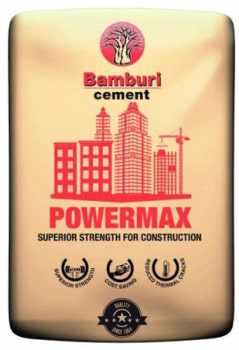
Bamburi Powermax Cement
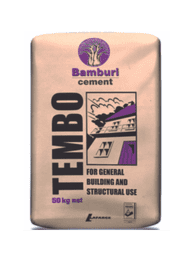
Bamburi Tembo Cement
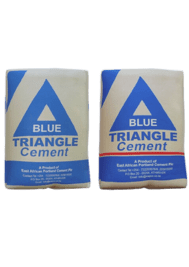
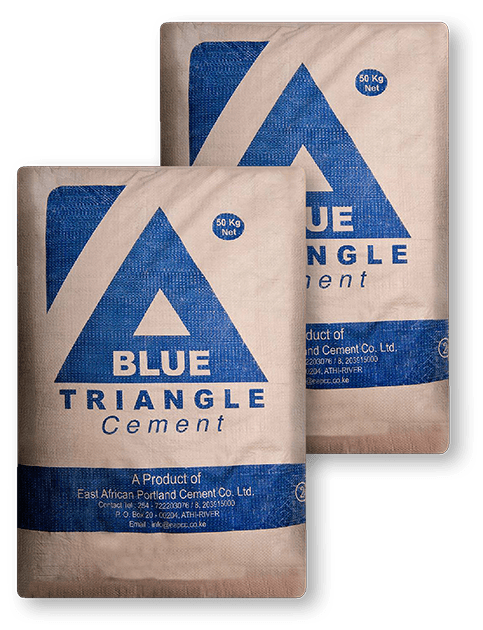
Blue Triangle Cement

Cleopatra White Cement 52.5
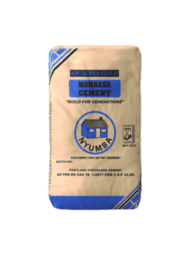
Mombasa Nyumba Cement

Rhino Cement

Royal White Cement 52.5

Savannah Cement

Simba Cement 32.5r