Finance Bill 2024: Reintroducing VAT on Solar and Lithium-ion Batteries

shop solar products

0°/180° (Horizontal) Cable Clip

1.5 Watts Garden Light Stainless Steel

1.5Kw Single Phase Solartech (Sunverter) SV3 Solar…
1.5Kw Single Phase Solartech (Sunverter) SV3 Solar…

10.0mmsq Single Core PV Cable (50 Meter Roll)

100 Watt Solar Floodlight

100 Watts DP Light Solar Flood Light

100 Watts Solar Outdoor Wall Light With Motion Sensor

100 Watts Vellmax Solar Floodlight

100Ah 12V Ceil Nxt Solar Battery

11kw invt three phase inverter

11kw invt three phase inverter

12 watt Solar LED Street Light System

12 Watt Solar LED Street Light With Sensor

12-Way PV Combiner Box IP65 Enclosure

120 Watt Solar Streetlight LED ip65 Outdoor Light

150×23.6mm Rail Splice

1500V T-Branch Connector 2-To-1

1545mm Square Aluminium Tube
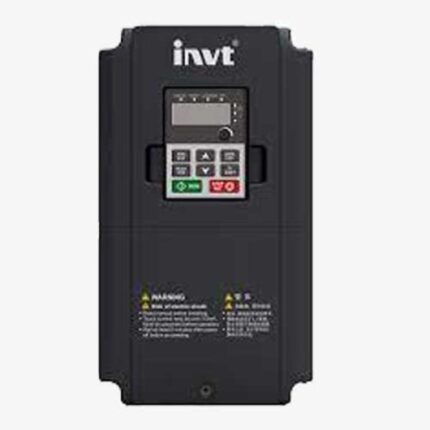
15kw invt three phase inverter

15kw invt three phase inverter

16A Suntree Dc Link With 1 Pole Holder
18-Way PV Combiner Box IP65 Enclosure

1kW Dayliff Power Back Up
Finance Bill Proposal: Reintroducing VAT on Solar and Lithium-ion Batteries
In a move that could significantly impact the affordability and accessibility of renewable energy solutions, the latest Finance Bill is proposing to reintroduce Value Added Tax (VAT) on solar and lithium-ion batteries. These items, which are currently zero-rated, may soon face increased costs if the proposed changes come into effect.
Solar power has emerged as a leading renewable energy source, offering a clean and sustainable alternative to traditional fossil fuels. The affordability and efficiency of solar technology have fueled its widespread adoption, particularly in regions with abundant sunlight. However, the reintroduction of VAT on solar products threatens to undermine this progress and make solar connections prohibitively expensive for many consumers.
Likewise, lithium-ion batteries play a critical role in storing and distributing solar energy, enabling households and businesses to harness the power of the sun even when it’s not shining. These batteries are essential components of off-grid solar systems, providing reliable energy storage solutions for remote areas and enhancing the resilience of renewable energy infrastructure.
The decision to reintroduce VAT on solar and lithium-ion batteries raises concerns about the potential impact on the affordability of solar power systems. With VAT being passed on to consumers in the form of higher prices, the cost of installing and maintaining solar connections is likely to increase significantly. This could deter individuals, businesses, and communities from investing in solar energy solutions, slowing down the transition to clean and sustainable power sources.
Furthermore, the proposed reintroduction of VAT on solar products could have broader implications for environmental sustainability and climate action efforts. As countries around the world strive to reduce greenhouse gas emissions and mitigate the impacts of climate change, policies that promote the adoption of renewable energy technologies are essential for achieving these goals. However, imposing additional taxes on solar products could hinder progress towards a greener and more sustainable future.
It’s essential for policymakers to consider the long-term implications of the Finance Bill proposal on renewable energy deployment and energy access. While generating revenue for government coffers is undoubtedly important, it should not come at the expense of stifling innovation and hindering the transition to clean energy sources.
As discussions around the Finance Bill continue, stakeholders must advocate for policies that support the affordability and accessibility of solar power and lithium-ion batteries. By fostering an environment conducive to renewable energy investment and deployment, policymakers can ensure that solar connections remain accessible to all, driving progress towards a more sustainable and resilient energy future.