Comparing Hollow Blocks vs. Machine-Cut Quarry Blocks for Wall Construction

When constructing walls, selecting the right type of blocks is critical for ensuring structural integrity, cost-efficiency, and durability. Two commonly used materials are hollow blocks and machine-cut quarry blocks. Both have their advantages and disadvantages, but how do they compare in terms of efficiency? Let’s break it down.
1. Material Composition and Strength
-
- Hollow Blocks: Made from a mixture of cement, sand, and gravel, hollow blocks have a void in the middle, reducing the amount of material used. Their strength depends on the quality of the mix, and they are commonly reinforced with steel bars to improve stability in load-bearing walls.
- Machine-Cut Quarry Blocks: These are natural stone blocks cut from quarries. They are denser and heavier than hollow blocks, offering high compressive strength. Quarry blocks are widely used in areas where natural stone is abundant, and they are often preferred for their durability and natural aesthetic.
Comparison: In terms of strength, machine-cut quarry blocks generally outperform hollow blocks, especially in heavy load-bearing walls. However, hollow blocks, when reinforced, can offer comparable strength for non-load-bearing walls.
2. Construction Speed and Ease
-
- Hollow Blocks: Due to their lighter weight and larger size compared to quarry blocks, hollow blocks are easier to handle, reducing the labor intensity. Construction using hollow blocks is typically faster since fewer blocks are required per square meter of wall. This also leads to less mortar usage.
- Machine-Cut Quarry Blocks: Quarry blocks are heavier and require more effort to move and position. Although these blocks are uniform in size, which helps in precise alignment, the increased labor required makes the process slower. Additionally, more blocks are needed per square meter, further extending the time needed for construction.
Comparison: Hollow blocks offer greater efficiency in terms of speed and ease of construction, making them a better choice when timelines are tight or labor costs are high.
3. Cost Efficiency
-
- Hollow Blocks: Hollow blocks tend to be less expensive than machine-cut quarry blocks. This is partly due to the reduced amount of material used and the faster construction time. Additionally, hollow blocks generally require less mortar due to their larger size, further lowering costs.
- Machine-Cut Quarry Blocks: While durable and aesthetically appealing, machine-cut quarry blocks are usually more expensive due to the cost of raw stone and the cutting process. The additional labor required for installation also adds to the overall cost.
Comparison: Hollow blocks are typically more cost-effective, especially when considering material, labor, and mortar usage. However, in areas where quarry stone is locally available, the cost difference may be reduced.
4. Thermal and Sound Insulation
-
- Hollow Blocks: The air trapped within hollow blocks acts as an insulator, providing better thermal and sound insulation compared to solid blocks. This can help in energy savings for buildings in hot or cold climates and reduce noise levels between walls.
- Machine-Cut Quarry Blocks: While quarry blocks offer some degree of thermal and sound insulation due to their density, they do not perform as well as hollow blocks in this area. The solid nature of the blocks allows heat and sound to travel more easily through the wall.
Comparison: Hollow blocks offer superior thermal and sound insulation, making them ideal for residential and commercial buildings where energy efficiency and noise reduction are important.
5. Durability and Longevity
-
- Hollow Blocks: While hollow blocks are durable, they are susceptible to cracking if not properly reinforced. They also rely heavily on good quality control during manufacturing to ensure long-term durability. In areas prone to earthquakes or heavy load-bearing structures, additional reinforcement is necessary.
- Machine-Cut Quarry Blocks: Known for their exceptional durability, quarry blocks can last for centuries if properly maintained. Their natural stone composition makes them resistant to weathering, pests, and environmental stress, making them a great choice for structures that require longevity and minimal maintenance.
Comparison: Machine-cut quarry blocks are more durable in the long run, especially in harsh climates or for structures requiring high strength. Hollow blocks, while durable, may need more maintenance and reinforcement over time.
6. Environmental Impact
-
- Hollow Blocks: The production of hollow blocks requires energy for cement production, which has a notable environmental impact due to CO2 emissions. However, their lighter weight means less energy is consumed in transportation and construction, slightly offsetting their carbon footprint.
- Machine-Cut Quarry Blocks: Quarrying stone has significant environmental impacts, including habitat destruction and energy use in extraction and transportation. However, stone is a natural material, and its longevity means that quarry blocks can last longer, reducing the need for frequent replacements.
Comparison: Both materials have environmental impacts, but hollow blocks may have a slight edge in terms of reduced transportation energy and quicker construction times. However, quarry blocks’ durability can reduce the need for future replacements, which might offset their initial environmental impact over time.
Conclusion: Which Is More Efficient?
-
- For Speed and Cost Efficiency: Hollow blocks are more efficient. They reduce labor costs, use less mortar, and allow for faster construction, making them an ideal choice for projects where budget and timelines are key considerations.
- For Strength and Durability: Machine-cut quarry blocks excel in strength, durability, and longevity, making them better for structures where long-term resilience is crucial.
- For Insulation: Hollow blocks outperform in thermal and sound insulation, making them better for residential and commercial buildings aiming for energy efficiency.
Ultimately, the choice between hollow blocks and machine-cut quarry blocks depends on the specific needs of your project, including cost, strength, insulation, and environmental considerations.
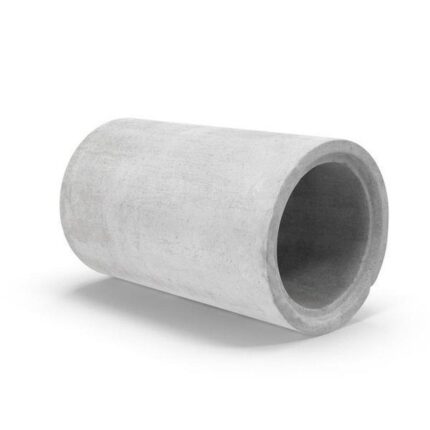
Culvert 300mm
Culvert 450mm
Culvert 600mm
Culvert 900mm
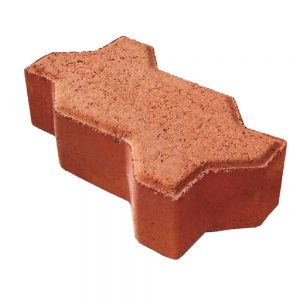
Interlocking Paving Block 50mm Coloured-Light Duty
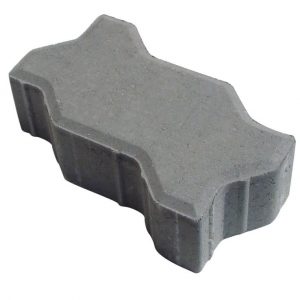
Interlocking Paving Block 50mm Plain-Light Duty
Interlocking Paving Block 60mm Coloured-Medium Duty
Interlocking Paving Block 60mm Plain -Medium Duty
Interlocking Paving Block 60mm Plain-heavy duty
Interlocking Paving Block 80mm Coloured-heavy duty
Interlocking Paving Block 80mm Plain Heavy Duty