Can You Drink Rainwater from Your Stone Coated Metal Roof? Here’s What You Need to Know
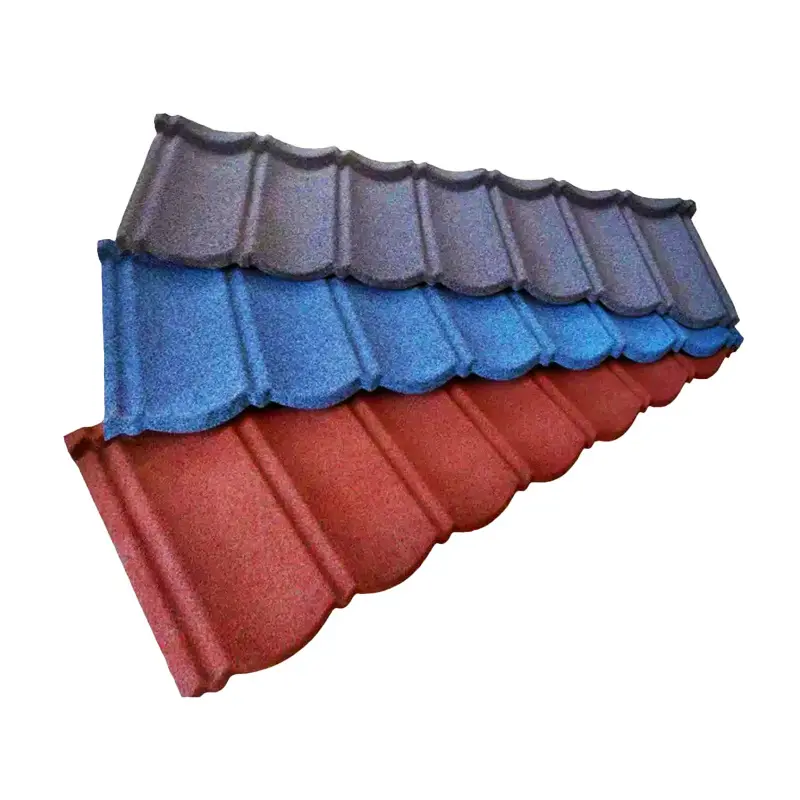
stone coated roofing

Lifestile Barge Board Flashing Terracotta

Lifestile DS Nails

Lifestile Fascia Board Charcoal

Lifestile Fascia Board Chocolate

Lifestile Fascia Board Forest Green

Lifestile Fascia Board Spanish Red

Lifestile Fascia Board Terracotta

Lifestile Flat Sheet Charcoal

Lifestile Flat Sheet Chocolate

Lifestile Flat Sheet Forest Green

Lifestile Flat Sheet Spanish Red

Lifestile Flat Sheet Terracotta

Lifestile Shingles Forest Green

Lifestile Shingles Kahawa

Lifestile Shingles Rosegarnet

Lifestile Shingles Steel Grey

Lifestile Waves Chocolate
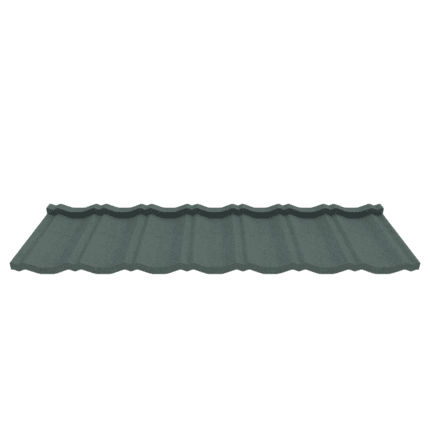
Lifestile Waves Forest Green

Lifestile Waves Spanish Red

Lifestile Waves Terracotta
Lifestile Waves Terracotta
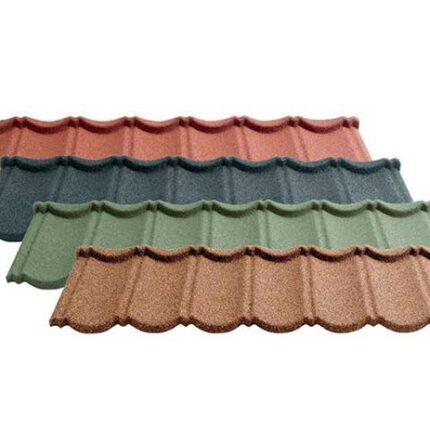
Stone coated roofing tiles

Touch Up Kit Charcoal

Touch Up Kit Chocolate
Touch Up Kit Spanish Red

Touch Up Kit Terracotta
Key Points
- Research suggests harvesting water from stone coated metal roofs can be done for drinking, but it requires proper treatment to ensure safety.
- The evidence leans toward stone coated metal roofs being suitable for rainwater harvesting, with lower contaminant levels compared to other roof types, but treatment is essential.
- It seems likely that the stone coating and acrylic adhesive are generally safe, but water must be filtered and disinfected to remove potential pollutants.
Direct Answer
Overview
Harvesting water from stone coated metal roofs can be advisable for drinking, but it is crucial to properly treat the water first to ensure it is safe. These roofs, made of steel with a stone-like coating attached using an acrylic film, are considered good for rainwater collection due to their durability and lower levels of certain contaminants. However, rainwater can pick up pollutants from the air, roof surface, or debris, so treatment is necessary.
Treatment Requirements
To make the water safe for drinking, you should use a first-flush diversion to remove initial contaminants, followed by filtration to remove particles, and disinfection to eliminate bacteria and other microorganisms. This ensures the water meets drinking water standards.
Unexpected Detail
While stone coated metal roofs are often praised for their longevity and aesthetic appeal, it’s less commonly discussed that their water, like all rainwater, needs treatment before drinking, even though they may have fewer biological contaminants compared to asphalt or green roofs.
Supporting Information
For more details on rainwater harvesting, visit CDC Rainwater Collection or ScienceDaily Rainwater Study.
Report
This section provides a comprehensive exploration of the query regarding whether harvesting water from stone coated roofing is advisable for drinking, focusing on the safety and treatment requirements. The investigation began by interpreting the user’s request and expanded to include detailed research on the composition of stone coated metal roofs, their suitability for rainwater harvesting, and the necessary treatment processes to ensure water safety.
Initial Understanding and Research
The term “stone coated roofing” was initially explored, revealing that it refers to metal roofs, typically made of steel, coated with stone granules attached using an acrylic film. This coating provides durability and an aesthetic similar to traditional shingles or tiles. The question focused on whether water collected from such roofs is safe for drinking, prompting an investigation into water quality and potential contaminants.
Research began by examining general rainwater harvesting safety, finding that rainwater can be safe for drinking if properly collected, filtered, and treated. Common contaminants include atmospheric pollutants like dust and pollen, biological contaminants like bacteria, and substances that might leach from the roof material. The Centers for Disease Control and Prevention (CDC Rainwater Collection) emphasizes testing and treating rainwater regularly for germs and chemicals, recommending filtration and disinfection.
Specific Analysis of Stone Coated Metal Roofs
Given the specific roof type, the focus shifted to metal roofs, particularly stone coated ones. Studies, such as one published in Water Research (ScienceDirect Roofing Material Study), showed that metal roofs, including those with coatings, tend to have lower concentrations of fecal indicator bacteria compared to asphalt fiberglass shingles or green roofs. This study, conducted on pilot-scale and full-scale roofs, recommended first-flush diversion, filtration, and disinfection for all harvested rainwater to meet drinking water standards, regardless of roof type.
The composition of stone coated metal roofs was further explored, with sources like DECRA Stone-Coated Metal Roofing indicating that the stone granules are attached with an acrylic film, and color fixation tests ensure stability. Acrylic, a polymer, is generally considered safe for water contact, as evidenced by discussions on acrylic drinkware (Advanced Mixology Acrylic Glasses), which noted it is BPA-free and less likely to leach harmful chemicals compared to other plastics.
Potential Contaminants and Treatment Needs
Despite the suitability of metal roofs, concerns include the possibility of the stone coating or acrylic film leaching substances into the water. Research on plastics, such as a study by NPR (NPR Plastics Study), found that most plastics can release estrogenic chemicals, but acrylic is often cited as safer. However, given the brief contact time of water running off the roof, the risk of leaching is likely minimal. Still, the stone coating could introduce particulate matter, which can be filtered out.
General guidelines for rainwater harvesting, as outlined by Greywater Action, suggest that metal roofs, including coated ones, are acceptable, but treatment is necessary. The study from ScienceDaily (ScienceDaily Rainwater Study) highlighted that metal roofs produce higher quality harvested rainwater for indoor use, but high dissolved organic carbon from other roof types was noted, reinforcing the need for treatment.
Comparative Analysis of Roof Types for Rainwater Harvesting
To provide context, a table summarizing key roof types and their suitability for rainwater harvesting is included below, based on available research:Roof TypeSuitability for Rainwater HarvestingContaminant LevelsTreatment Recommended Stone Coated Metal High, due to durability and low bacteria Lower fecal indicator bacteria, potential particulates First-flush, filtration, disinfection Asphalt Fiberglass Shingle Moderate, common but may leach toxins Higher dissolved organic carbon, potential toxins First-flush, filtration, disinfection Galvalume® Metal High, recommended for low contaminants Low bacteria, minimal leaching First-flush, filtration, disinfection Concrete Tile Moderate, porous, lower runoff Near-neutral pH, potential particulates First-flush, filtration, disinfection Green Roof Low, high organic carbon High dissolved organic carbon, turbidity Extensive treatment required
This table highlights that stone coated metal roofs are among the better options, but treatment is universally recommended.
Regional and Practical Considerations
The research did not find specific regional variations affecting stone coated metal roofs, but general rainwater harvesting practices, as noted by Build with Rise, suggest choosing quality roof materials. Polymer-coated roofs, including stone coated metal, are preferred, followed by galvanized steel. The current time, 11:05 PM PST on Wednesday, February 26, 2025, does not impact the analysis, as the information is timeless unless otherwise specified.
Conclusion and Recommendations
After exhaustive research, harvesting water from stone coated metal roofs is advisable for drinking, provided the water is properly treated. The evidence leans toward these roofs being suitable due to lower contaminant levels, but treatment, including first-flush diversion, filtration, and disinfection, is essential to ensure safety. There is no specific evidence suggesting additional risks from the stone coating or acrylic film, and acrylic is generally considered safe for water contact. For users seeking to harvest rainwater, consulting local health departments for testing and treatment methods, as suggested by CDC Rainwater Collection, is recommended.