The Sale of East African Portland Cement Shares, Implications for Kenya’s Building Industry
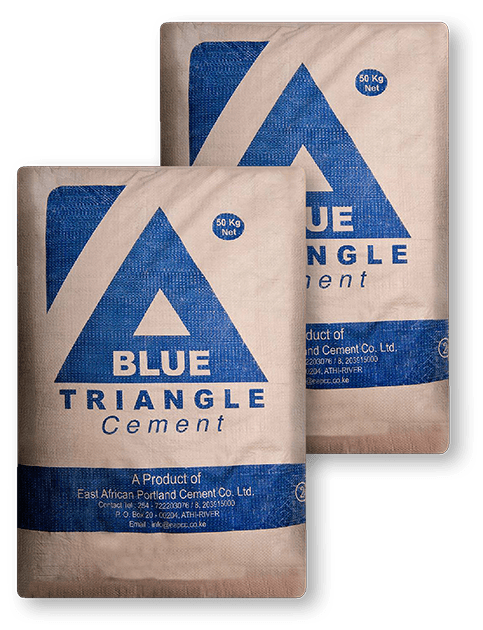
The recent sale of a significant stake in East African Portland Cement (EAPC) to Tanzanian billionaire Edhah Abdallah Munif has sparked a heated debate in Kenya. This transaction, part of a broader trend of foreign investment in Kenyan state parastatals, raises critical questions about economic sovereignty, market competition, and the future of the building industry. As we delve into the details of this sale and its implications, it becomes clear that the stakes are high for both the economy and the construction sector.
The Transaction Unveiled
EAPC, a cornerstone of Kenya’s cement industry, has been partially sold to Munif through his firm, Kalahari Cement. This sale follows Munif’s earlier acquisition of Bamburi Cement, another major player in the sector. The consolidation of these assets under one foreign entity’s control has alarmed many, including local stakeholders and political figures like Okiya Omtata, who have labeled the move as “economic treason.” The concern is not just about the change in ownership but also about the potential monopolistic tendencies that could arise, threatening the competitive landscape of the cement industry.

D10
D12
D16
D20
D25
D32
D8
Impact on the Building Industry
The building industry in Kenya is a vital component of the national economy, driving infrastructure development, housing projects, and urban expansion. Cement is a fundamental material in this sector, and any disruption in its supply chain or pricing can have cascading effects. Here’s how the sale of EAPC shares impacts the building industry:
1. Market Concentration and Pricing Power: With Munif now controlling a significant portion of the cement market through EAPC and Bamburi Cement, there is a risk of market concentration. This could lead to higher cement prices due to reduced competition, affecting the cost of construction projects. For developers and contractors, this translates to increased project costs, potentially slowing down development activities and making housing less affordable.
2. Supply Chain Vulnerabilities: The reliance on a few major players for cement supply introduces vulnerabilities in the supply chain. Any decision by the new owners to prioritize profits over production could lead to shortages, delaying construction projects and impacting timelines. This is particularly concerning given Kenya’s ongoing infrastructure projects, which are crucial for economic growth.
3.Investment and Innovation: Foreign investment can bring capital and technological advancements, but it also raises questions about the direction of innovation. Will the new ownership focus on expanding production capacity and improving efficiency, or will it prioritize short-term gains? The building industry benefits from a robust cement sector that invests in sustainable
practices and new technologies, and any shift in priorities could hinder long-term growth.
4. Local Employment and Economic Benefits: EAPC has been a significant employer in Kenya, contributing to local economies through jobs and community development. The change in ownership could affect employment practices and the distribution of economic benefits. If the new owners decide to restructure operations or relocate certain functions, it could lead to job losses and reduced local economic activity, further impacting the building industry.

Cleardek 1.5 MM MaxCover 3.0 Meter Polycarbonate Sheet

Cleardek 1.5 MM MaxCover 3.6 Meter Polycarbonate Sheet

Cleardek 1.5 MM MaxCover 4.0 Meter Polycarbonate Sheet

Covermax 30G Brick Red Smooth

Covermax 30G Charcoal Smooth

Covermax 30G Dark Green Smooth

Covermax 30G Maroon Smooth

Covermax 30G Sky Blue Smooth

Covermax 30G Tile Red Smooth

Dumuzas 30G Unpainted

Dumuzas 32G Unpainted

Elegantile 28G Brick Red Textured Roofing Sheet
Broader Economic and Political Context
This sale is not an isolated incident but part of a larger pattern of privatization and foreign investment in Kenyan state-owned enterprises. The government’s push to divest from parastatals, while aimed at reducing fiscal burdens and attracting investment, has been met with skepticism. Critics argue that such sales often undervalue national assets and benefit foreign investors at the expense of local interests. The involvement of the National Social Security Fund (NSSF), which holds a 27% stake in EAPC, adds another layer of concern, as pensioners’ investments are at risk.
Legal and Public Response
Okiya Omtata’s threat of legal action underscores the public’s demand for transparency and accountability. The sale has prompted calls for a thorough investigation into the transaction’s terms and the beneficiaries’ identities. There is a growing sentiment that such deals should be scrutinized to ensure they align with national interests and do not compromise economic sovereignty.
The sale of EAPC shares to Edhah Abdallah Munif is a pivotal moment for Kenya’s building industry. While foreign investment can bring capital and expertise, the potential for market concentration, supply chain disruptions, and reduced local benefits cannot be ignored. As the industry navigates these changes, stakeholders must advocate for policies that protect competition, ensure fair pricing, and safeguard national interests. The building industry’s resilience depends on a balanced approach that leverages foreign investment while maintaining control over critical assets. Only then can Kenya continue to build a future that benefits all its citizens.
As concerned citizens and industry professionals, it is imperative to stay informed and engaged. Demand transparency in such transactions, support local initiatives that promote sustainable development, and advocate for policies that protect the building industry’s interests. The future of Kenya’s construction sector hangs in the balance, and collective action is needed to ensure it thrives.

Green Tip Harris Brush 1″

Green Tip Harris Brush-11/2″

Green Tip Harris Brush-2″

Green Tip Harris Brush-21/2″

Green Tip Harris Brush-4″

Green Tip Harris Brush-5″

Pascon 1lt Budget Floor Paint
Pascon 1lt Budget Floor Paint

Pascon 20kg Graffiato special finishes – Without Stones
Pascon 20kg Graffiato special finishes – Without Stones
Pascon 30kgs Graffiato special finishes – Without Stones