Light Gauge Steel Roofing: A Comprehensive Guide
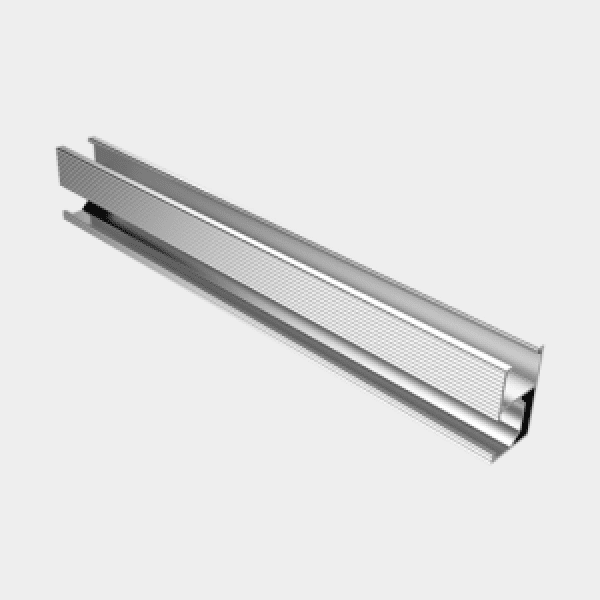
When it comes to roofing materials, light gauge steel has emerged as a popular choice for both residential and commercial projects due to its durability, strength, and lightweight nature. However, like any material, it comes with its own set of pros and cons. Let’s dive into a detailed discussion about light gauge steel roofing and explore its advantages and disadvantages.
What is Light Gauge Steel?
Light gauge steel (LGS) refers to thin sheets of steel that are cold-formed to create strong, lightweight structural components. In roofing, these sheets are often treated with protective coatings, such as zinc or aluminum, to prevent corrosion. This material is flexible, cost-effective, and highly resistant to many environmental factors, making it suitable for various roofing applications.
Advantages of Light Gauge Steel Roofing
- Durability and Strength
- High Tensile Strength: Light gauge steel offers exceptional strength despite its lightweight nature. It can withstand heavy loads and resist damage from impacts, making it highly durable.
- Resistance to Corrosion: Steel roofs are often galvanized or coated with zinc/aluminum to resist corrosion, extending the lifespan of the roof even in harsh weather conditions.
- Fire Resistance: Unlike wooden roofs, steel is non-combustible, making it an ideal choice for areas prone to wildfires or fire hazards.
- Longevity
- Light gauge steel roofs can last 50 years or more with proper maintenance. This makes them a cost-effective option in the long run, as they typically outlast traditional roofing materials such as asphalt or wood.
- Lightweight
- One of the most significant advantages is that light gauge steel is considerably lighter than traditional roofing materials like tiles or concrete. This reduces the load on the building’s structure, allowing for more flexibility in design and construction. It can also lead to reduced transportation costs during installation.
- Ease of Installation
- Due to its light weight, handling and installing light gauge steel roofing is relatively simple. It often requires fewer structural supports, which can also shorten construction time and reduce labor costs.
- Eco-Friendly
- Steel is 100% recyclable. At the end of its life cycle, light gauge steel roofing can be fully recycled, making it an environmentally friendly choice.
- The production process for steel has also become more efficient over time, using less energy and producing fewer emissions compared to other materials.
- Low Maintenance
- Light gauge steel roofs require minimal maintenance compared to wood or asphalt shingles, which may require frequent repairs. Regular inspections for rust or damage can easily keep the roof in good condition.
- Weather Resistance
- Steel roofing is excellent at withstanding extreme weather conditions, from heavy rainfall to high winds. It’s resistant to mold, mildew, and pests, which commonly affect other roofing materials like wood.
Disadvantages of Light Gauge Steel Roofing
- Initial Cost
- While steel roofing is durable and long-lasting, the initial cost can be higher than traditional materials such as asphalt shingles or wood. However, the long-term savings on maintenance and replacements often offset this initial investment.
- Noise Levels
- One of the most cited drawbacks of steel roofing is that it can be noisier during rainfall or hailstorms. Without proper insulation, rain hitting a steel roof can create a lot of noise, although this can be mitigated with soundproofing materials.
- Thermal Conductivity
- Steel is a good conductor of heat, which can cause roofs to become very hot during the summer months. This can lead to higher cooling costs unless additional insulation is installed. However, some modern steel roofing systems come with reflective coatings that minimize heat absorption.
- Susceptibility to Rust
- Although modern steel roofs are treated to prevent rust, improper installation or exposure to harsh conditions can lead to rust and corrosion over time. Regular maintenance and inspections are essential to ensure that protective coatings remain intact.
- Potential for Dents
- While light gauge steel is strong, it is also relatively thin, which means it can be prone to denting under heavy impact, such as hailstorms or falling branches. In areas where severe weather is common, thicker steel sheets or additional protective coatings may be necessary.
- Installation Complexity for Non-Experts
- Although easy to install for professionals, improper installation by untrained individuals can result in issues such as leaks or poor thermal performance. It is crucial to hire an experienced contractor to install light gauge steel roofing to avoid potential problems.
Conclusion
Light gauge steel roofing offers a combination of durability, longevity, and environmental sustainability that makes it an attractive option for many building projects. Its resistance to fire, pests, and extreme weather conditions provides a solid foundation for long-term protection. However, the initial cost, potential noise issues, and susceptibility to rust or dents must be considered before making a decision.
Ultimately, whether or not light gauge steel roofing is the right choice depends on your specific needs, location, and budget. For those seeking a low-maintenance, eco-friendly solution that can stand the test of time, light gauge steel roofing may be an excellent option. However, it is important to weigh the pros and cons carefully and consult with a professional before proceeding.