Cost of Building a House in Kenya 2026: Prices, Factors, and Tips

- Research suggests the cost of building a house in Kenya in 2025 varies widely, typically ranging from KES 700,000 for a simple 2-bedroom mabati house in rural areas to KES 16.8 million for a 4-bedroom standard house in urban areas like Nairobi.
- It seems likely that urban areas have higher costs (KES 3.9M–16.8M) due to higher land and labor prices, while rural areas are cheaper (KES 1.1M–2.4M for simple brick houses).
- The evidence leans toward location, house size, and materials (e.g., brick, mabati, wood) being key factors, with specific costs depending on design complexity and finishes.

D10
D12
D16
D20
D25
D32
D8
Cost Breakdown by House Type and Location
Building a house in Kenya in 2025 depends on whether you choose urban or rural areas and the type of construction. Here’s a breakdown:
- Urban Areas (e.g., Nairobi, Ruaka, Syokimau):
- These areas have higher costs due to expensive land and labor. For example, a standard 2-bedroom house (80–90 sq m) costs KES 3.9 million to KES 7.56 million, while a 4-bedroom house (150–200 sq m) can range from KES 7.3 million to KES 16.8 million.
- Land prices are significant; for instance, Ruaka land costs around KES 110 million per acre, and Syokimau around KES 35 million per acre.
- Rural Areas:
- Costs are lower, with a simple 2-bedroom brick house (80–90 sq m) costing KES 1.1 million to KES 1.8 million, and a 3-bedroom brick house (100–120 sq m) ranging from KES 1.4 million to KES 2.4 million.
- Budget options like mabati houses are cheaper, with a 2-bedroom at KES 700,000–1 million and a 3-bedroom at KES 1 million–1.5 million.
- Unexpected Detail: Many Kenyans opt for mabati houses for quick, affordable construction, especially in rural areas, which can be completed in weeks and cost significantly less than standard brick houses.

Cleardek 1.5 MM MaxCover 3.0 Meter Polycarbonate Sheet

Cleardek 1.5 MM MaxCover 3.6 Meter Polycarbonate Sheet

Cleardek 1.5 MM MaxCover 4.0 Meter Polycarbonate Sheet

Covermax 30G Brick Red Smooth

Covermax 30G Charcoal Smooth

Covermax 30G Dark Green Smooth

Covermax 30G Maroon Smooth

Covermax 30G Sky Blue Smooth

Covermax 30G Tile Red Smooth

Dumuzas 30G Unpainted

Dumuzas 32G Unpainted

Elegantile 28G Brick Red Textured Roofing Sheet
Comprehensive Analysis on the Cost of Building a House in Kenya in 2025
This detailed analysis aims to provide a thorough understanding of the costs associated with building a house in Kenya in 2025, addressing variations by location, house type, and construction materials. The information is derived from recent data and industry reports, ensuring accuracy for prospective homeowners and investors.
Introduction
Building a house is a significant investment and a common dream for many Kenyans, driven by the high cost of renting, which often exceeds affordable limits. The cost of constructing a home in Kenya in 2025 varies widely, influenced by factors such as location, house size, design complexity, and the choice of materials. This report breaks down these costs, providing estimates for urban and rural areas, and highlights budget-friendly options like mabati and wooden houses.
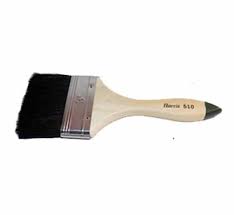
Green Tip Harris Brush 1″
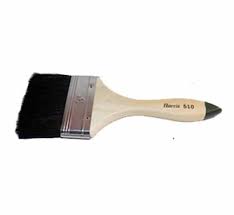
Green Tip Harris Brush-11/2″
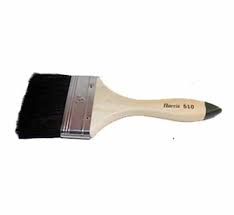
Green Tip Harris Brush-2″
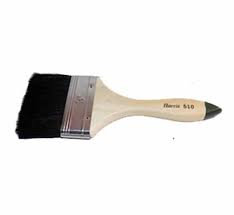
Green Tip Harris Brush-21/2″
Green Tip Harris Brush-4″
Green Tip Harris Brush-5″

Pascon 1lt Budget Floor Paint
Pascon 1lt Budget Floor Paint

Pascon 20kg Graffiato special finishes – Without Stones
Pascon 20kg Graffiato special finishes – Without Stones
Pascon 30kgs Graffiato special finishes – Without Stones
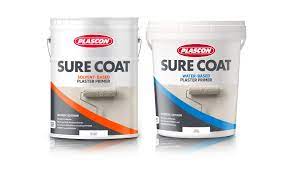
Pascon 30kgs Graffiato special finishes – Without Stones
Factors Influencing Construction Costs
Several factors determine the cost of building a house in Kenya, as identified in recent analyses:
- Location: Urban areas, particularly Nairobi and its suburbs like Ruaka and Syokimau, have higher land and labor costs compared to rural areas. Rural construction benefits from cheaper labor and locally available materials, reducing overall expenses.
- Type of Building: The number of bedrooms, design complexity, and whether the house is a bungalow, maisonette, or multi-story structure affect costs. Simple designs are cheaper, while complex designs with custom features increase expenses.
- Materials Used: The choice between standard materials (e.g., brick, concrete) and alternative options (e.g., mabati, wood) significantly impacts costs. Brick houses are durable but expensive, while mabati houses offer a quick, affordable alternative.
- Finishes and Fittings: High-end finishes like marble floors, imported tiles, and premium fittings increase costs, whereas basic finishes keep expenses lower. Factors like floor-to-ceiling heights and wall-to-floor ratios also play a role, with higher ceilings and more walls increasing labor and material costs.
- Site Topography: Flat sites are cheaper to build on, while sloping sites may require additional foundation work, increasing costs.
- Mechanical Installations and Joinery: These include plumbing, electrical work, and joinery like doors and windows, which add to the overall expense, especially if installed post-construction.
Cost Estimates by House Type and Location
Urban Areas (Nairobi and Suburbs, e.g., Ruaka, Syokimau)
Urban areas are characterized by higher construction costs due to expensive land, higher labor rates, and proximity to infrastructure. The construction cost per square meter in Nairobi and its metropolitan region ranges from KES 48,750 to KES 84,000, according to INTEGRUM Construction. Below is a breakdown:
|
House Type |
Size (sq m) |
Construction Cost per sq m (KES) |
Total Cost Range (KES) |
|
2 Bedroom Standard |
80–90 |
48,750–84,000 |
3,900,000–7,560,000 |
|
3 Bedroom Standard |
100–140 |
48,750–84,000 |
4,875,000–11,760,000 |
|
4 Bedroom Standard |
150–200 |
48,750–84,000 |
7,312,500–16,800,000 |
Land Prices in Urban Areas: Land prices vary significantly. For instance, Ruaka land costs around KES 110 million per acre as of 2024, translating to approximately KES 13.75 million per 1/8 acre (Tuko.co.ke). Syokimau land is priced at around KES 35 million per acre, or KES 4.375 million per 1/8 acre (Capital Business).
Rural Areas
Rural areas offer lower construction costs due to cheaper labor and the availability of local materials like sand and stones. Research suggests construction costs in rural areas range from KES 14,000 to KES 20,000 per square meter for simple brick houses, based on comparisons from ConstructionKenya.com. Here’s the breakdown:
|
House Type |
Size (sq m) |
Construction Cost per sq m (KES) |
Total Cost Range (KES) |
|
2 Bedroom Brick |
80–90 |
14,000–20,000 |
1,120,000–1,800,000 |
|
3 Bedroom Brick |
100–120 |
14,000–20,000 |
1,400,000–2,400,000 |
Green Tip Harris Brush 1″
Green Tip Harris Brush-11/2″
Green Tip Harris Brush-2″
Green Tip Harris Brush-21/2″
Green Tip Harris Brush-4″
Green Tip Harris Brush-5″
Pascon 1lt Budget Floor Paint
Pascon 1lt Budget Floor Paint
Pascon 20kg Graffiato special finishes – Without Stones
Pascon 20kg Graffiato special finishes – Without Stones
Pascon 30kgs Graffiato special finishes – Without Stones
Pascon 30kgs Graffiato special finishes – Without Stones
Design and Material Considerations
The choice of materials is crucial. Brick houses, especially in urban areas, use fired clay bricks, costing around KES 35,000 per square meter in some estimates (kenyansconsult.co.ke), though this may be for rural mud brick constructions. Urban brick houses align more with INTEGRUM’s higher rates. Mabati houses, made from corrugated iron, are popular for their speed and cost-effectiveness, completed in weeks, and ideal for budget-conscious builders. Wooden houses, once seen as less durable, are gaining popularity with modern treatments for termite resistance, offering a cheaper and quicker build option.
Practical Tips for Home Builders
- Consult Experts: Always engage a quantity surveyor for accurate estimates, as costs can fluctuate based on market conditions and specific project requirements.
- Choose Simple Designs: Opt for rectangular shapes and standard designs to reduce labor and material costs.
- Source Local Materials: In rural areas, using locally available materials like sand and stones can lower costs.
- Consider Budget Options: For those on a tight budget, mabati or wooden houses provide affordable alternatives, especially in rural settings.
Conclusion
The cost of building a house in Kenya in 2025 ranges from KES 700,000 for a simple 2-bedroom mabati house in rural areas to KES 16.8 million for a 4-bedroom standard house in urban areas like Nairobi. Urban construction is more expensive due to higher land and labor costs, while rural areas offer cheaper alternatives with simple brick or mabati houses. Land prices, particularly in suburbs like Ruaka and Syokimau, have seen significant increases, adding to the total investment. Prospective builders should plan carefully, considering location, design, and materials, and consult professionals for precise budgeting.